Best wet palette

A wet palette is the cheap accessory that quietly improves every model you paint. It keeps your thinned paint workable for hours instead of minutes, cuts the paint you waste, and makes blending far easier. This guide compares wet palettes on the few specs that decide how well one works: tray size, seal, paper and depth — so you can pick one that keeps a mixed colour alive from one session to the next.
A note on how to read this. Wet palettes are simple, so the differences come down to a handful of practical specs rather than headline features. Read the framework for what each spec changes, then look at the picks once they are verified.
How to choose a wet palette
Four things decide whether a wet palette suits you. Run any palette through these — they are the columns in the comparison below.
Tray size — match it to how you paint
A larger tray holds more colours and suits long sessions and batch work; a compact tray travels to a club night and stores easily. A medium tray suits most home painters. Bigger is not better by default — a tray you have to store somewhere awkward gets used less. The primers and palettes hub covers how a wet palette fits the wider kit.
Seal — what keeps paint alive between sessions
The seal is the spec that matters most. A tight-sealing lid keeps the sponge damp and a mixed colour usable from one painting night to the next, which is the difference between saving paint and tipping it out. A loose lid lets the palette dry and the paint skin over. Prioritise a good seal above almost everything else.
Paper included — and how easy refills are to buy
The palette paper is the one ongoing consumable, so check whether a starter pack is included and whether refills are easy to buy. Good palette paper lets moisture through from below but holds the paint on top without bleeding. A palette with hard-to-find paper becomes a chore.
Depth and material — how long it stays damp
A deeper tray and sponge hold more water and stay damp longer between top-ups, which matters for long sessions. A sturdy material survives being carried around. Neither is glamorous, but both decide how often you fuss with the palette instead of painting.
The wet palettes compared
A short list of widely available wet palettes, compared on the four specs above. Specs are verified against manufacturer data and current Amazon listings — no hands-on testing claims, just the details that decide the fit.
| Best for | Tray size | Seal | Paper included | Material |
|---|---|---|---|---|
| Best overall | 5.9 × 7.9 in (15 × 20 cm) painting area | Integrated TPE seal + elastic strap | Yes — 50 hydration sheets | ABS plastic |
| Best budget | 8.5 × 7 in tray | Airtight friction-fit snap lid | Yes — 5 sheets acrylic palette paper + 1 sponge | Polypropylene (Made in USA) |
| Best large | 10.87 × 7.8 in (27.6 × 19.8 cm) painting area | Elastic travel band | Yes — 50 Hydro Sheets + 2 Hydro Foam pads | ABS plastic with 30-well paint insert and 16-brush storage |
| Best compact / travel | 5.43 × 7.8 in (13.8 × 19.8 cm) painting area | Elastic strap closure | Yes — 50 Hydro Sheets + 2 Hydro Foam pads | ABS plastic with integrated 16-brush holder |
| Best refill paper | 7.16 × 5.2 in sheets | Fits Redgrass Painter Lite (B09DGPJQLY) and Painter v1 | 50 sheets | Refill paper (no tray) |
Our top picks
Best overall: Redgrassgames Everlasting Wet Palette — Painter Lite

Best overall
Redgrassgames Everlasting Wet Palette — Painter Lite
Redgrassgames
- Tray size: 5.9 × 7.9 in (15 × 20 cm) painting area
- Seal: Integrated TPE seal + elastic strap
- Paper included: Yes — 50 hydration sheets
- Depth: Shallow reservoir (~25mm foam depth)
- Material: ABS plastic
- Best for: All-round desk use and regular painting sessions
The most popular wet palette in the miniature painting community, the Painter Lite uses a proprietary mold-resistant foam and TPE seal to keep acrylics workable for days without over-dilution. Endorsed by Golden Demon winners and top hobby creators.
Last checked 2026-05-21
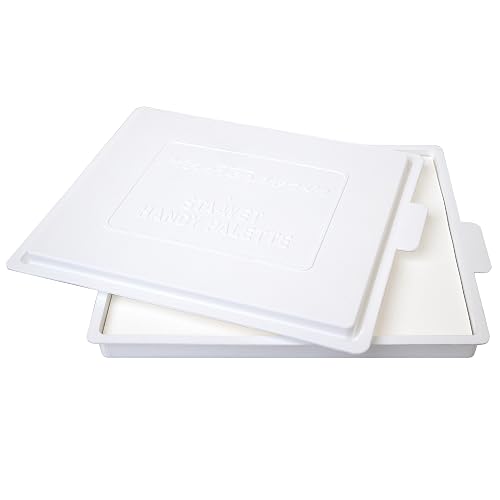
Best budget: Masterson Sta-Wet Handy Palette — Airtight, 8.5 × 7 in
Best budget
Masterson Sta-Wet Handy Palette — Airtight, 8.5 × 7 in
Masterson Art
- Tray size: 8.5 × 7 in tray
- Seal: Airtight friction-fit snap lid
- Paper included: Yes — 5 sheets acrylic palette paper + 1 sponge
- Depth: 1 in reservoir
- Material: Polypropylene (Made in USA)
- Best for: First wet palette, budget-limited painters
The Masterson Sta-Wet is the long-established benchmark for affordable wet palettes, used by miniature painters and fine artists alike for decades. The airtight snap lid and patented sponge system keep water-based paints workable for days at a fraction of premium palette prices.
Last checked 2026-05-21
Best large: The Army Painter Wargamers Edition Wet Palette XL

Best large
The Army Painter Wargamers Edition Wet Palette XL
The Army Painter
- Tray size: 10.87 × 7.8 in (27.6 × 19.8 cm) painting area
- Seal: Elastic travel band
- Paper included: Yes — 50 Hydro Sheets + 2 Hydro Foam pads
- Depth: ~35mm total depth
- Material: ABS plastic with 30-well paint insert and 16-brush storage
- Best for: Batch painting armies and large studio sessions
The Army Painter Wargamers Edition XL offers a 10.87" × 7.8" working surface — significantly larger than standard palettes — plus a 30-well paint insert and storage for up to 16 brushes. Ideal for painters who batch paint armies and need room to lay out multiple colours simultaneously.
Last checked 2026-05-21
Best compact / travel: The Army Painter Wet Palette — Standard Size with Brush Storage

Best compact / travel
The Army Painter Wet Palette — Standard Size with Brush Storage
The Army Painter
- Tray size: 5.43 × 7.8 in (13.8 × 19.8 cm) painting area
- Seal: Elastic strap closure
- Paper included: Yes — 50 Hydro Sheets + 2 Hydro Foam pads
- Depth: ~30mm (1.18 in)
- Material: ABS plastic with integrated 16-brush holder
- Best for: Gaming nights, hobby clubs, and travel painting sessions
Notebook-sized and flat-packing with an elastic strap, the Army Painter standard wet palette includes storage for up to 16 brushes — making it the go-to travel companion for gaming events and friends' hobby sessions. At 8,985+ Amazon reviews it's the most-reviewed wet palette in this roundup.
Last checked 2026-05-21
Best refill paper: Redgrassgames Everlasting Wet Palette — 50 Hydration Paper Refill Sheets (Painter Size)

Best refill paper
Redgrassgames Everlasting Wet Palette — 50 Hydration Paper Refill Sheets (Painter Size)
Redgrassgames
- Tray size: 7.16 × 5.2 in sheets
- Seal: Fits Redgrass Painter Lite (B09DGPJQLY) and Painter v1
- Paper included: 50 sheets
- Depth: Permeable hydration membrane paper — reusable, tear-resistant
- Material: Refill paper (no tray)
- Best for: Topping up any standard wet palette; ideal companion to Slot 1
Official Redgrass hydration paper cut to fit the Painter Lite and Painter v1. The proprietary permeable formula keeps paint moist without over-diluting, lies flat without bubbling, and can be gently washed and reused multiple times before replacement.
Last checked 2026-05-21
Who should buy what
Brand-new painters
A medium, well-sealing palette makes the thinning habit far easier to keep, because your milk-thin paint stays workable instead of drying as you load the brush. It is one of the first upgrades worth making after paint and brushes.
Batch and army painters
A larger tray holds the several colours you reuse across a batch and stays damp through a long session. A good seal saves the mixed colours for the next sitting, so you are not remixing every time.
Painters who work in short bursts
A tightly sealing palette is worth the few extra dollars, because it keeps a mixed colour alive between short sessions instead of forcing a remix each time you sit down. The seal is the spec to pay for here.
Where a wet palette leads next
Once your paint stays workable and your brushwork is clean, the upgrade that speeds everything up is an airbrush — for priming and basecoating whole batches fast and smooth. It is a later, bigger purchase with a learning curve and real safety needs, so it is worth understanding before you buy: see the best airbrush for miniatures guide for how needle size, feed type and cup decide the fit, with ventilation and respirator safety up front. The primers and palettes hub covers priming basics if you want them first.
Frequently asked questions
What does a wet palette actually do?
It keeps your paint workable. A wet palette is a sealed tray with a damp sponge or layer of water beneath a sheet of special paper. The paint sits on the paper and draws moisture up from below, so thinned acrylic stays usable for hours instead of skinning over in minutes. That saves paint, lets you reuse a mixed colour all session, and makes blending far easier.
Do I really need a wet palette as a beginner?
You do not strictly need one — a ceramic plate works to start — but it is one of the cheapest upgrades with the biggest payoff. Since thinning paint to the consistency of milk is the number-one beginner fix and thinned paint dries fastest, a wet palette and good thinning go together. Most painters wish they had bought one sooner.
Can I make my own wet palette?
Yes. A sealable food container, a few sheets of kitchen sponge or paper towel, and baking parchment make a serviceable DIY wet palette. The trade-offs are the seal, which is often weaker, and the paper, since parchment lets paint bleed more than purpose-made palette paper. A bought palette seals better between sessions, which is most of what you pay for.
How long does paint last on a wet palette?
Hours during a session, and often overnight or longer if the tray seals well and you keep the sponge damp. A tight seal is what keeps a mixed colour alive between sessions, which is the difference between saving paint and binning it. The exact time depends on the seal, the paper and how warm and dry your room is.
What paper does a wet palette use, and where do I get more?
A semi-permeable paper that lets moisture through from the sponge but holds the paint on top. Many palettes include a starter pack, and refill paper is sold separately and lasts a long time, since each sheet serves many sessions. Check that refills are easy to buy for the palette you choose, as paper is the one ongoing consumable.
What size wet palette should I get?
Match it to how you paint. A larger tray holds more colours and suits long sessions or batch work, while a compact tray travels well to a club night and is easier to store. A medium tray suits most home painters. Depth matters too — a deeper sponge holds more water and stays damp longer between top-ups.
Will a wet palette work with one-coat high-pigment paint?
Yes, though those paints need less thinning to begin with, so they benefit a little less than standard acrylics. A wet palette still keeps them workable and stops them skinning over mid-job. For standard acrylics, which you thin most, the benefit is greatest. Either way, a damp palette beats a dry plate for keeping paint alive.