Miniature paints
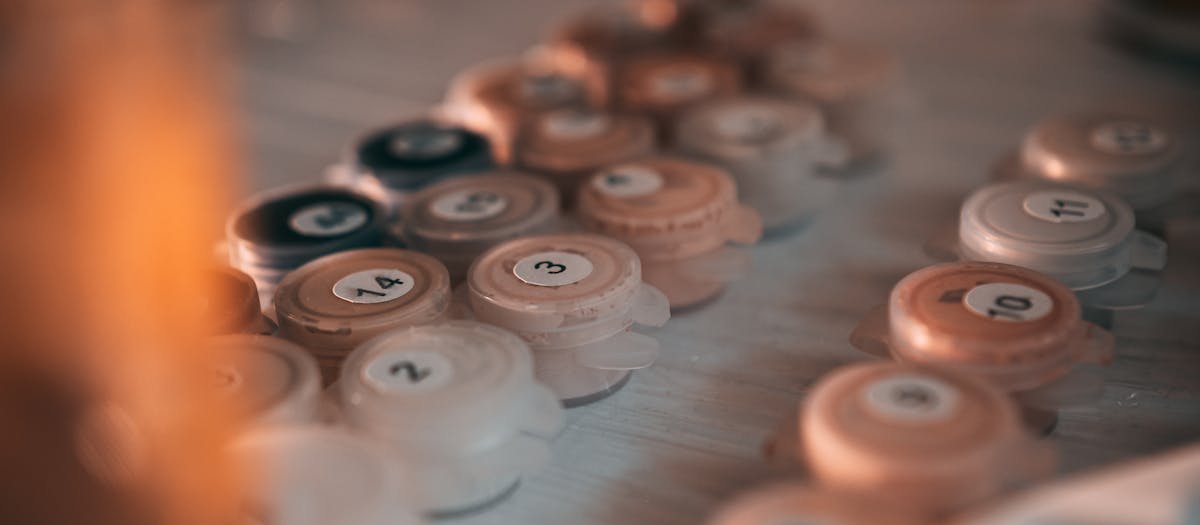
Miniature paint is acrylic — it thins with water, dries fast and cleans up easily — but the pots in a set are not all doing the same job. Once you know the four main types and what each one is for, you stop fighting the wrong paint and start reaching for the right one. This hub explains standard acrylic, wash and shade, one-coat high-pigment paint and metallic in plain terms, then shows how to choose a first set by colour range and pigment rather than by how big the box looks.
Standard acrylic — the workhorse
These are your everyday colours, and they make up most of any set. They are formulated to be thinned and built up in two or three thin coats for basecoats, layering and highlights. Hobby acrylics are ground finer than craft-store paint, so they sit in thin coats without burying the sculpted detail. The golden rule with standard acrylic is to thin it to the consistency of milk and build the colour in layers — the starter guide walks through why thinning is the single biggest fix for beginner results.
Wash and shade — depth in one pass
A wash, sometimes called a shade, is a thin, dark, free-flowing paint that runs into the recesses of a model and pools there. It darkens the deep areas and leaves the raised areas lighter, which instantly makes a flat basecoat look three-dimensional. A single brown or black wash over a basecoat is the fastest way to make a beginner mini look finished, and it is the step new painters most often skip. Washes come pre-thinned, so you use them straight from the pot.
One-coat high-pigment paint — speed in a pot
These heavily pigmented paints colour and shade in a single pass: they pool darker in the recesses and sit lighter on the raised areas as they settle, doing the work of a basecoat and a wash at once. They flow more than standard acrylics and take a little getting used to, but for getting a batch of models tabletop-ready quickly they are hard to beat. Thin them less than you would a standard acrylic — often not at all.
Metallic — steel, gold and bronze
Metallic paints carry tiny reflective flakes that give a real metal sheen. The flakes settle in the pot, so stir well before use, and they look best applied over a dark basecoat. A silver, a gold and a bronze cover most blades, armour and trim a beginner paints. Metallics are slightly grainier than flat colours, so reserve them for the metal areas rather than fine detail lines.
How to choose a first set
The temptation is to buy the biggest box. Resist it. A first set lives or dies on four things, and pot count is not one of them.
- Colour range — a dozen well-chosen colours, including a couple of skin tones, a brown, a black and a white, paints far more than thirty random shades.
- Paint type — a beginner set ideally pairs standard acrylics with at least one wash and a metallic, so you can basecoat, shade and pick out metal from day one.
- Pigment and finish — higher pigment means better coverage in thin coats; a matte finish suits most tabletop minis.
- Value and format — dropper bottles waste less paint than open pots, and a fair price per millilitre matters more than the headline number of colours.
Featured guides
The current published guides in this silo. More land each batch.
Landing next: Best paint set for beginners, Best washes for miniatures, Best metallic paints, and Best one-coat paints.
Paints for different painters
For a complete beginner
Start with one set that includes standard acrylics, a wash and a metallic. Learn to thin to milk and build two thin coats before you add more colours. A good brush helps more than more paint — see the brushes hub.
For batch painters and army builders
One-coat high-pigment paints save real time across dozens of models, doing basecoat and shade in a pass. Pair them with an airbrush for priming and basecoats once the batch gets large — the tools and airbrush hub covers when that is worth it.
For display and detail painters
Standard acrylics give you the most control for layering and blending, and a finer brush rewards the effort. Build a small, carefully chosen palette rather than a sprawling one, and lean on washes and metallics to do specific jobs.
Why thinning matters more than the paint
Whichever set you buy, the result on the model depends less on the brand of paint than on how you apply it. Paint straight from the pot is too thick for a miniature — it floods the sculpted detail, dries with visible brush marks, and looks lumpy no matter how careful you are. The fix costs nothing: thin the paint on your palette with a little water until it flows like milk, then build the colour up over two or three thin coats, letting each dry first.
This is why a cheaper set used well beats a premium set used badly, and why we compare sets on pigment rather than price. High-pigment paint covers in those thin coats; weak, watery pigment forces extra layers and frustrates a beginner. Washes come pre-thinned and one-coat paints need little thinning, but your everyday colours all want milk consistency. A wet palette, covered in the primers and palettes hub, makes the habit far easier by keeping the thinned paint workable for hours instead of skinning over.
How a paint collection grows
A first set is a starting palette, not a finished collection. As you paint, you will run low on the colours you reach for most — usually skin, brown, black and white — long before the rest, so restocking those single pots is normal and cheap. Then you add colours for specific schemes: a particular armour tone, a banner colour, a flesh you cannot mix easily. This is how a working collection of dozens of pots builds up over months, one practical purchase at a time, rather than all at once from a giant box. Buying a small useful set first and topping up by need keeps your money on paint you actually use.